Translate English PDFs & documents to Arabic scanned or digital — without breaking the layout
Professionals heading to the Gulf need English degrees, experience letters, and police clearances rendered in Arabic for employers, ministries, and government portals in Saudi Arabia, the UAE, and Qatar, and exporters need Arabic manuals and labels before products clear regional markets. Reglyph OCRs the English scan, erases the source text, and typesets the Arabic translation back into the page, handling the right-to-left script properly. Test it on 5 free pages a day.
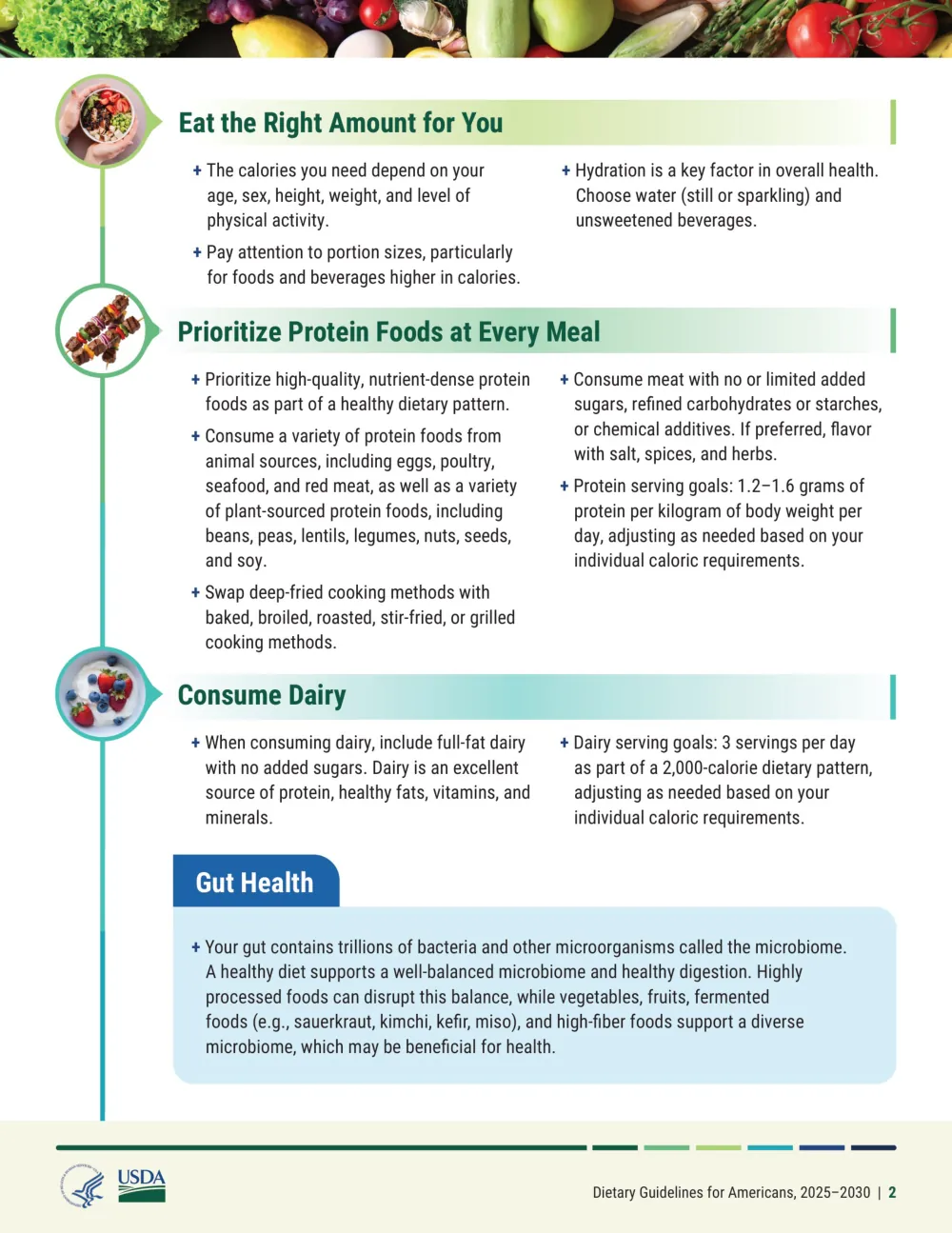
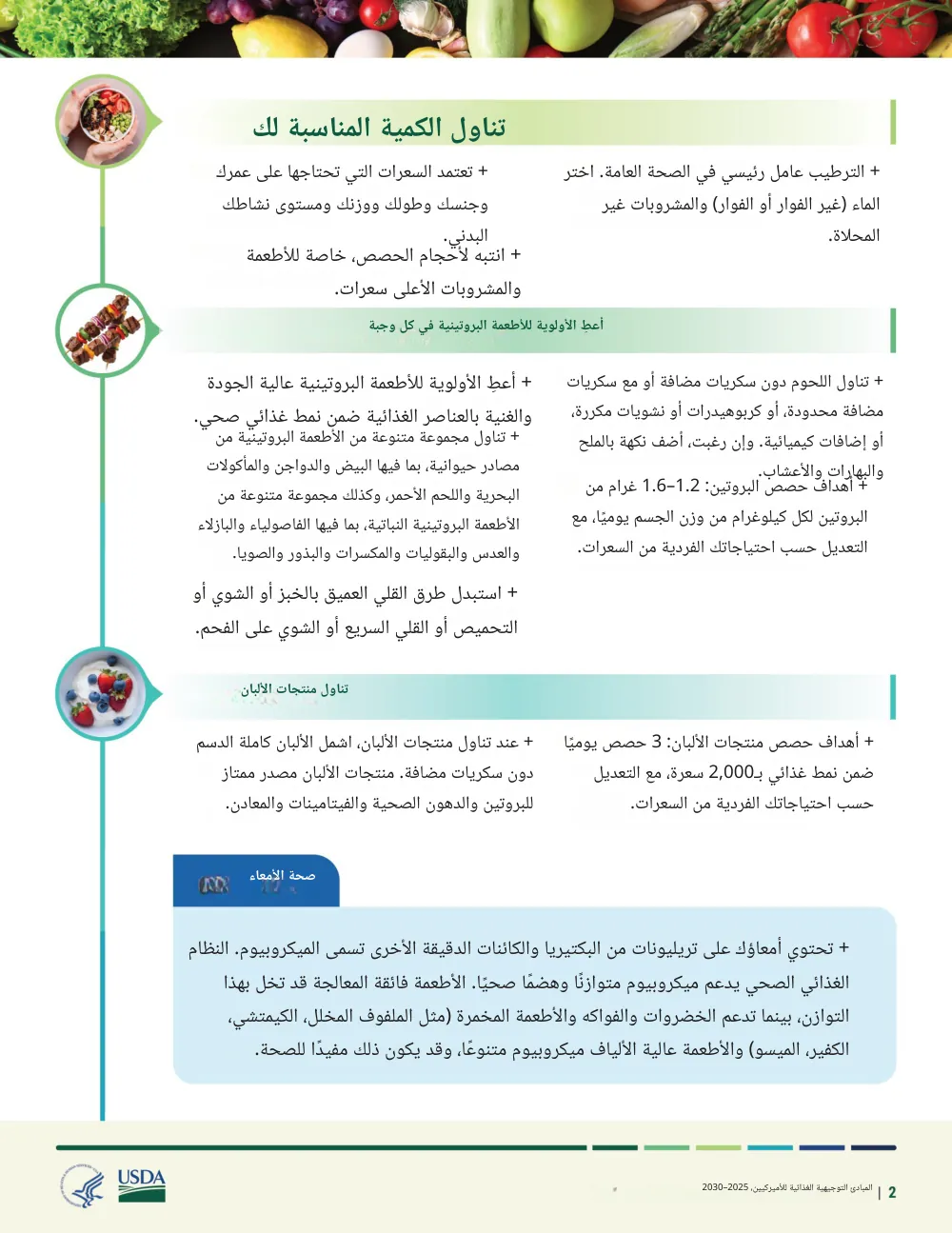
English is left-to-right; Arabic flips the reading order
Translating into Arabic is not just swapping words — Arabic runs right-to-left, so text alignment reverses, and mixed content like dates, reference numbers, and Latin names must keep their left-to-right direction inside right-to-left lines. Arabic script is also cursive, with letters that change shape by position. Reglyph re-typesets each block with correct RTL alignment and proper Arabic shaping inside the original layout, so tables still line up and numbers stay readable, while stamps and signatures on the scan remain untouched.
Common scanned English documents we translate
These are the English-language documents people most often translate to Arabic — each keeps its original layout, seals, and tables.
- University degrees and transcripts for Gulf employment visas
- Experience letters and reference letters for ministry attestation
- Police clearance certificates for UAE or Saudi residency
- Commercial contracts with Gulf partners and sponsors
- Product manuals and safety labels for GCC markets
- Medical fitness reports for Gulf work-permit files
How to translate a scanned English document
Upload your PDF
Drop in a scanned English PDF (one from your phone's scanner app works) or a digital PDF. Image-only PDFs are fine — no text layer needed.
We read & translate
OCR extracts the English text, then it's translated to Arabic while the original text is erased from the page.
Download, layout intact
Get a clean PDF where tables, figures, stamps, and numbers sit exactly where they were.
English → Arabic — frequently asked
Does the layout survive when English is translated into right-to-left Arabic?
Yes — this is where rebuilding the page matters most. Reglyph erases the English and re-typesets the Arabic with right-to-left alignment inside the original blocks, keeping embedded numbers and Latin names in their correct direction, so tables, headers, and forms remain coherent instead of mirroring into chaos.
Will Gulf government portals accept a machine-translated Arabic document?
Official submissions in Saudi Arabia, the UAE, and other GCC states generally require translation by an accredited legal translator, often followed by attestation. Reglyph's role is upstream: it gives you an Arabic draft with the document's layout and seals intact, which the accredited translator can verify and certify faster than translating from zero.
Can it translate an English employment contract to Arabic for my sponsor?
Yes — upload the scanned or digital contract and Reglyph returns an Arabic version with clauses, numbering, and signature blocks in their original positions. The bilingual side-by-side export is popular for contracts, since it lets both parties compare the English and Arabic text clause by clause.
Choose your plan
Simple, scan-friendly pricing. Pages are pages — no multiplier for scanned files.
Pay-as-you-go
Translate a few pages. No commitment.
$0.30 a page, from 10 pages — you pay for exactly 10 pages.
- Pages never expire
- Up to 100 MB per file
Lite
Most popularFor individuals with scans to translate every month.
Pro
For high-volume users with scans to translate every week.
- $0.06 / page
- 500 pages every month
- Unused pages roll over (up to 1,500)
- Up to 100 MB per file
Translate scanned PDFs in other languages
Guides on translating scanned documents
Can ChatGPT Translate a Scanned PDF? What Works and What Doesn't
Vision models genuinely read scans now. The question isn't whether ChatGPT can translate your PDF — it's whether a chat reply is actually what you need back.
Read guideTranslate a Scanned PDF on Your Phone (iPhone & Android)
Camera-translate apps are great for reading a page on the spot, but they don't give you a file — here's how to get an actual translated PDF from your phone.
Read guideWhy Does My Scanned PDF Translate to Gibberish? (And How to Fix It)
Random symbols, blank pages, or 'PDF tools are temporarily offline' — the cause is almost always the same one thing, and it's fixable.
Read guide