Translate English PDFs & documents to Italian scanned or digital — without breaking the layout
The single biggest driver here is citizenship: applicants for Italian citizenship by descent assemble packets of US birth, marriage, and death certificates spanning generations, all of which must be presented in Italian with their apostilles. Businesses have their own version of the problem — English contracts, catalogs, and technical files that Italian partners, notaries, and customers expect in Italian. Reglyph translates the scan and re-typesets the Italian into the original layout; you get 5 free pages a day.
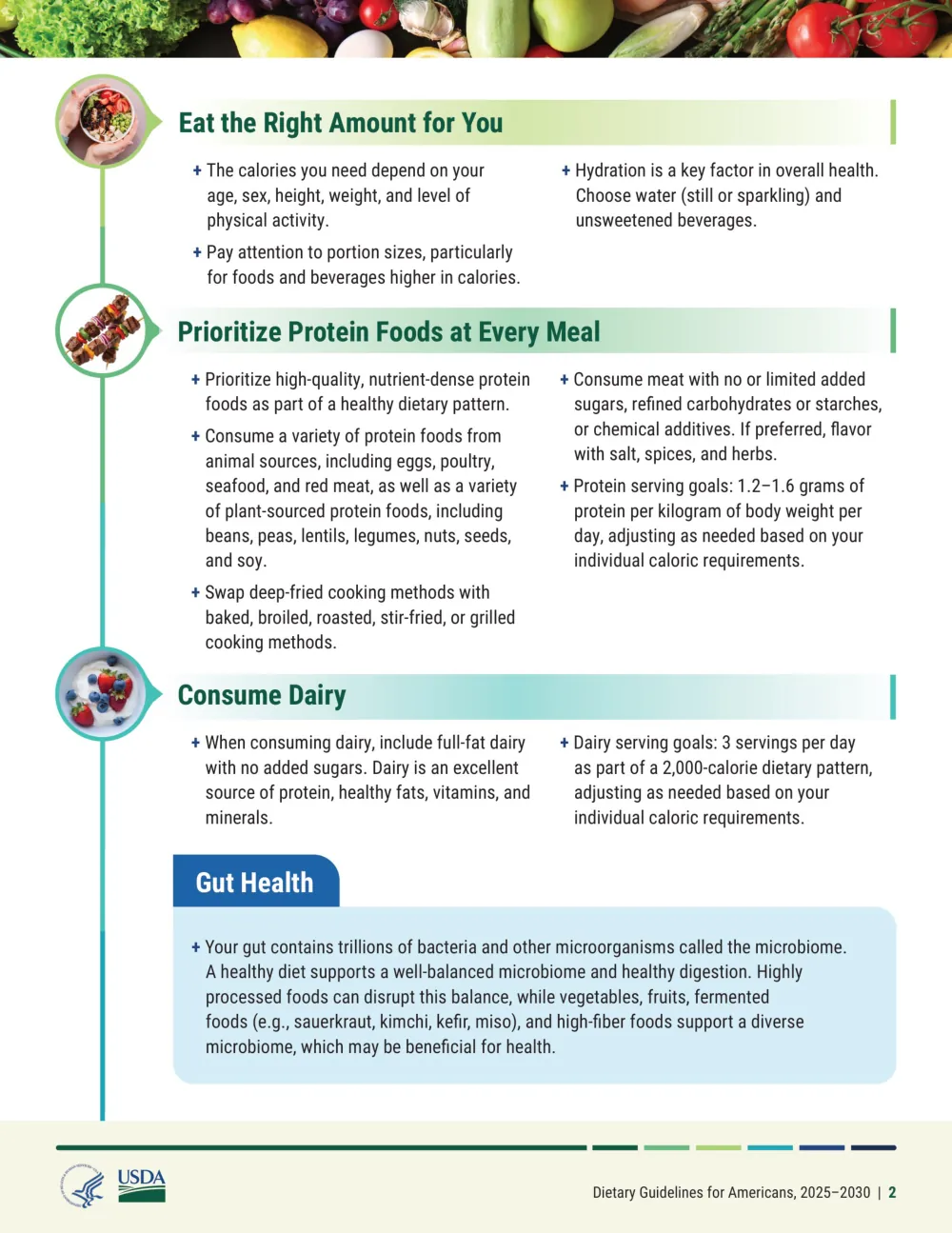
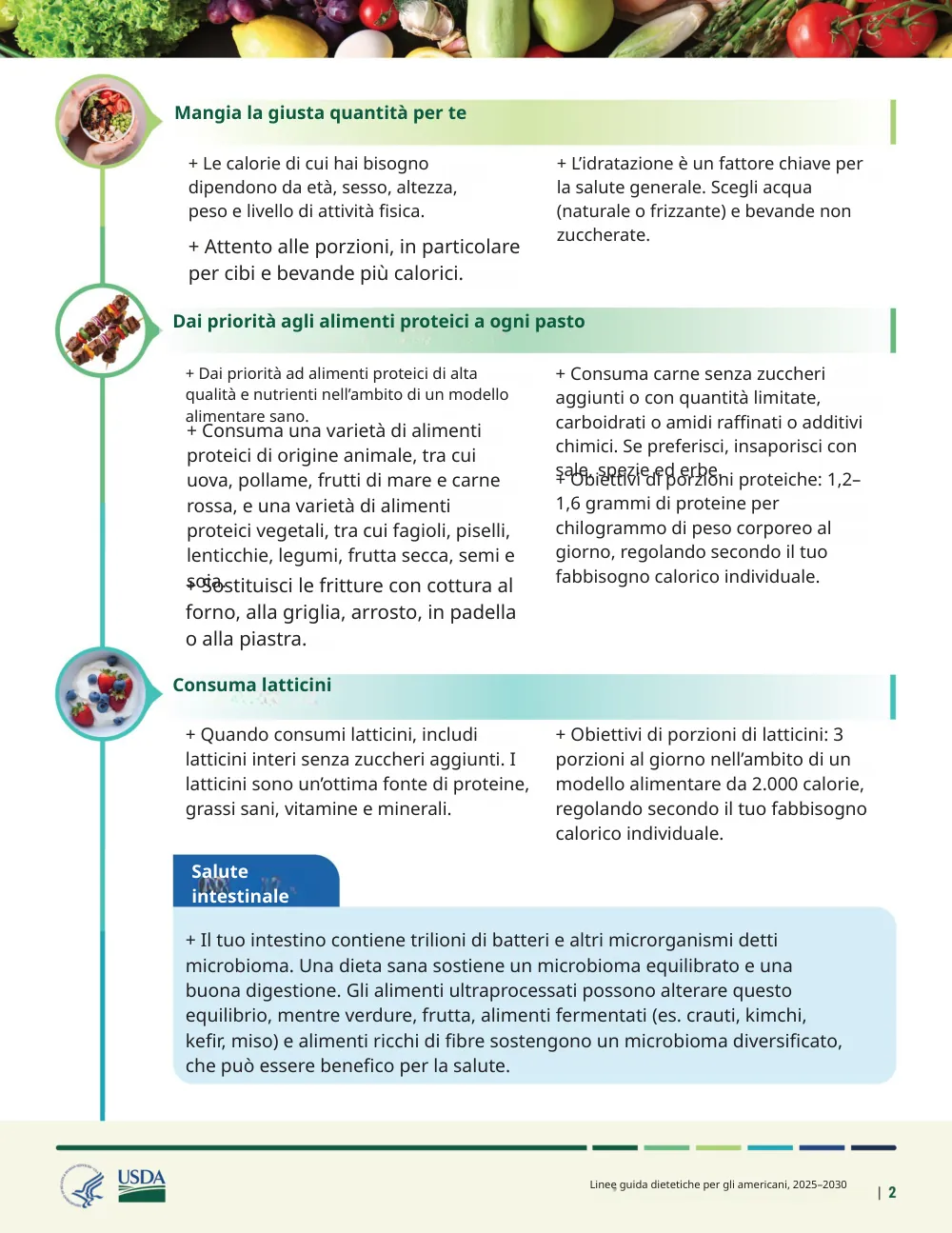
Italian expands English — certificates feel it most
Italian runs roughly 15–25% longer than English, and vital records are dense grids of short labels — "Place of birth", "County clerk" — that each grow when translated. Reglyph erases the English from the page image and re-typesets the Italian inside each original field, so the certificate's grid, the registrar's stamp, and the apostille all stay aligned. The result reads as the same document, in Italian.
Common scanned English documents we translate
These are the English-language documents people most often translate to Italian — each keeps its original layout, seals, and tables.
- US birth, marriage, and death certificates for a cittadinanza (jure sanguinis) packet
- Naturalization records and certificates of no appeal
- Apostilled FBI background checks for Italian residency
- Commercial agreements with Italian distributors
- Product catalogs and spec sheets for the Italian market
- English medical reports for treatment or insurance in Italy
How to translate a scanned English document
Upload your PDF
Drop in a scanned English PDF (one from your phone's scanner app works) or a digital PDF. Image-only PDFs are fine — no text layer needed.
We read & translate
OCR extracts the English text, then it's translated to Italian while the original text is erased from the page.
Download, layout intact
Get a clean PDF where tables, figures, stamps, and numbers sit exactly where they were.
English → Italian — frequently asked
Can I use Reglyph for my Italian citizenship by descent document packet?
Reglyph is a strong first step: it translates each certificate into Italian while keeping the original layout, stamps, and apostilles visible. Italian consulates and comuni require the final translations to be certified — typically a traduzione giurata sworn in court — so plan for a human translator to review and swear the drafts Reglyph produces.
How long does it take to translate a stack of 20 certificates?
Minutes rather than days — you upload the scans and Reglyph returns Italian PDFs page by page. Since jure sanguinis packets often run to dozens of pages across generations, the time savings compound; paid plans start at $3 and you get 5 free pages a day to test the quality.
Will old, faded certificates from the early 1900s translate well?
It depends on the scan. Clear printed or typewritten text OCRs well even on aged paper, but heavy cursive handwriting — common on very old vital records — is unreliable. Try a page free first: if the OCR reads it cleanly, the rest of the packet will usually follow.
Choose your plan
Simple, scan-friendly pricing. Pages are pages — no multiplier for scanned files.
Pay-as-you-go
Translate a few pages. No commitment.
$0.30 a page, from 10 pages — you pay for exactly 10 pages.
- Pages never expire
- Up to 100 MB per file
Lite
Most popularFor individuals with scans to translate every month.
Pro
For high-volume users with scans to translate every week.
- $0.06 / page
- 500 pages every month
- Unused pages roll over (up to 1,500)
- Up to 100 MB per file
Translate scanned PDFs in other languages
Guides on translating scanned documents
Can ChatGPT Translate a Scanned PDF? What Works and What Doesn't
Vision models genuinely read scans now. The question isn't whether ChatGPT can translate your PDF — it's whether a chat reply is actually what you need back.
Read guideTranslate a Scanned PDF on Your Phone (iPhone & Android)
Camera-translate apps are great for reading a page on the spot, but they don't give you a file — here's how to get an actual translated PDF from your phone.
Read guideWhy Does My Scanned PDF Translate to Gibberish? (And How to Fix It)
Random symbols, blank pages, or 'PDF tools are temporarily offline' — the cause is almost always the same one thing, and it's fixable.
Read guide