Translate English PDFs & documents to Turkish scanned or digital — without breaking the layout
Foreigners settling in Turkey translate English documents constantly for residence permit (ikamet) applications, tapu (property) transactions and banking, while Turkish importers and exporters need English trade documents — invoices, certificates of origin, specs — in Turkish. Reglyph translates the scanned or digital English PDF and re-typesets each page, so an application form or a commercial invoice keeps its boxes, columns and totals in place.
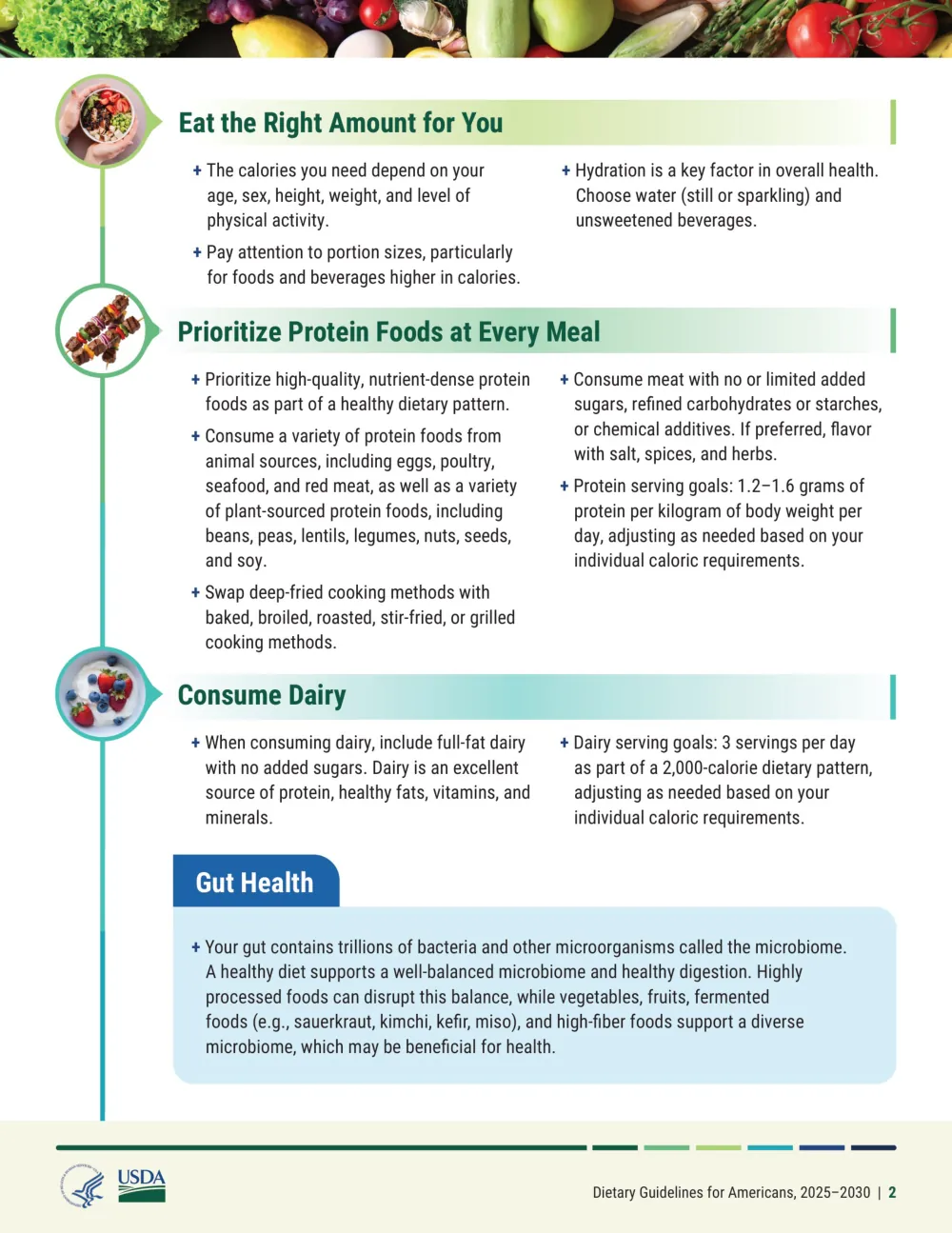
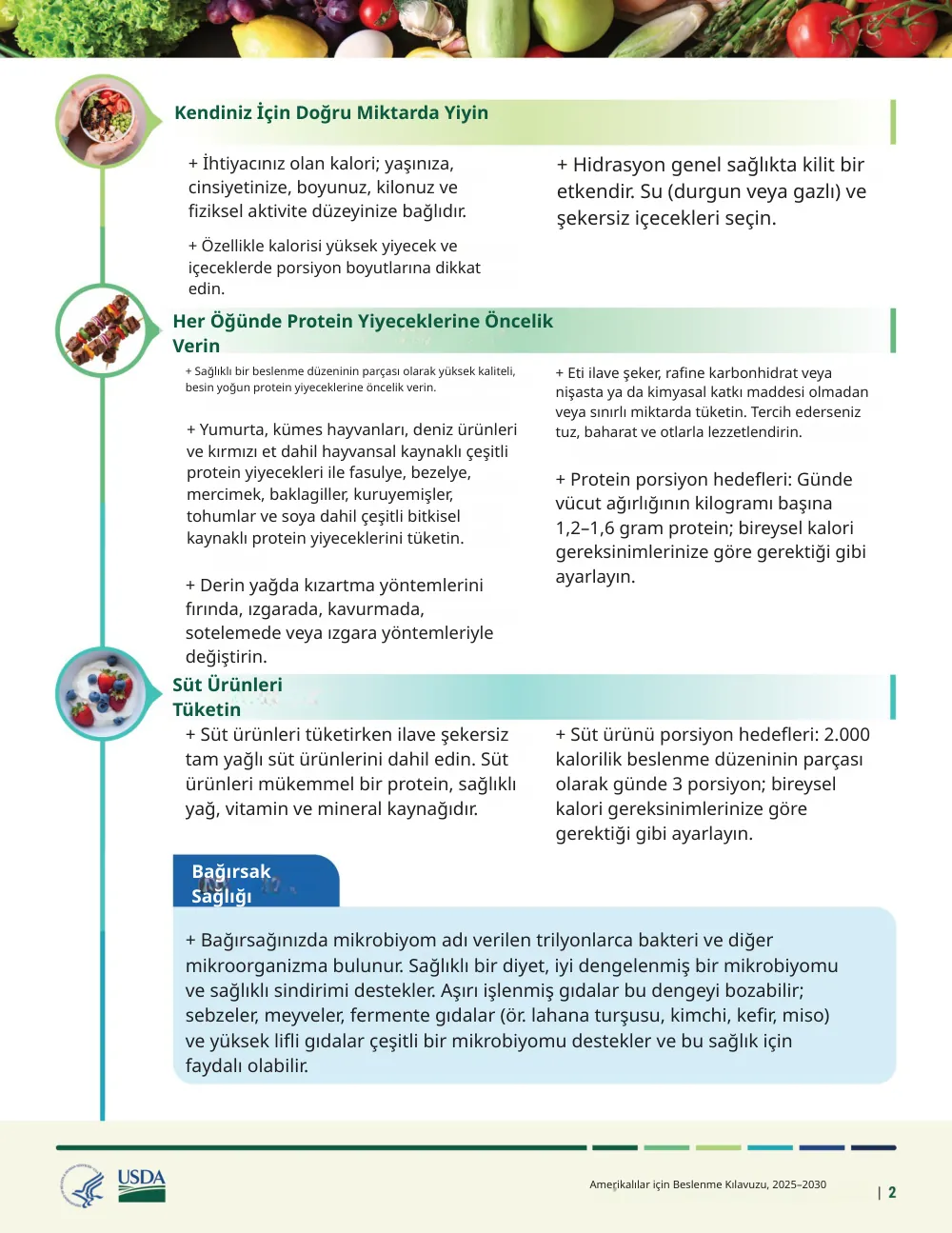
Typesetting Turkish into an English layout
Turkish is agglutinative: suffixes stack onto a single word, so one Turkish word can replace an entire English phrase and easily outgrow a form field or narrow table column sized for short English labels. Because Reglyph erases the source text and typesets the Turkish back into the same fields and cells, those long words are fitted into the original layout instead of colliding with neighboring boxes.
Common scanned English documents we translate
These are the English-language documents people most often translate to Turkish — each keeps its original layout, seals, and tables.
- English bank statements and income letters for ikamet applications
- Commercial invoices and certificates of origin for Turkish customs
- English marriage and birth certificates for civil registry procedures
- Property purchase documents supporting tapu transactions
- Technical datasheets for Turkish distributors and installers
- English insurance policies for local claims and registrations
How to translate a scanned English document
Upload your PDF
Drop in a scanned English PDF (one from your phone's scanner app works) or a digital PDF. Image-only PDFs are fine — no text layer needed.
We read & translate
OCR extracts the English text, then it's translated to Turkish while the original text is erased from the page.
Download, layout intact
Get a clean PDF where tables, figures, stamps, and numbers sit exactly where they were.
English → Turkish — frequently asked
Can I use this for my ikamet (residence permit) documents?
Turkish authorities typically require translations done by a sworn (yeminli) translator and often notarized, so a machine translation alone will not be accepted. Reglyph gives you and your translator a correctly laid-out Turkish draft first, which shortens the sworn translator's work to review and certification.
Turkish words are very long — do form fields and table columns survive?
Yes — because Turkish suffixes stack into long single words, overlay tools often let them collide with neighboring fields. Reglyph rebuilds the page and fits the Turkish text into the original boxes and cells, so forms and invoices keep their structure.
How much does it cost to translate a batch of trade documents?
You get 5 free pages a day with no credit card, and paid plans start at $3. Since invoices and certificates are usually one or two pages each, the free tier is enough to test your actual documents before paying.
Choose your plan
Simple, scan-friendly pricing. Pages are pages — no multiplier for scanned files.
Pay-as-you-go
Translate a few pages. No commitment.
$0.30 a page, from 10 pages — you pay for exactly 10 pages.
- Pages never expire
- Up to 100 MB per file
Lite
Most popularFor individuals with scans to translate every month.
Pro
For high-volume users with scans to translate every week.
- $0.06 / page
- 500 pages every month
- Unused pages roll over (up to 1,500)
- Up to 100 MB per file
Translate scanned PDFs in other languages
Guides on translating scanned documents
Can ChatGPT Translate a Scanned PDF? What Works and What Doesn't
Vision models genuinely read scans now. The question isn't whether ChatGPT can translate your PDF — it's whether a chat reply is actually what you need back.
Read guideTranslate a Scanned PDF on Your Phone (iPhone & Android)
Camera-translate apps are great for reading a page on the spot, but they don't give you a file — here's how to get an actual translated PDF from your phone.
Read guideWhy Does My Scanned PDF Translate to Gibberish? (And How to Fix It)
Random symbols, blank pages, or 'PDF tools are temporarily offline' — the cause is almost always the same one thing, and it's fixable.
Read guide